
Ducting your entrance before laying tarmac or cobble
Burying 50 mm underground ducts and pulling steel-wire-armoured (SWA) cable during groundworks typically costs €500 to €2,000 depending on avenue length. Even if you hang manual gates today, laying triple ducts before pouring tarmac or cobblelock makes future automation and GSM intercoms plug-and-play.
The three underground conduits to bury while the digger is on site, saving thousands in saw-cutting and reinstatement later.
Free, no obligation. One local installer prices it, not five.
- 3 × 50 mmseparate ducts under the threshold
- 600 mmstandard trench depth under driveways
- €500–€2,000typical trench & SWA cable allowance
- Draw ropenylon cord left in every empty duct
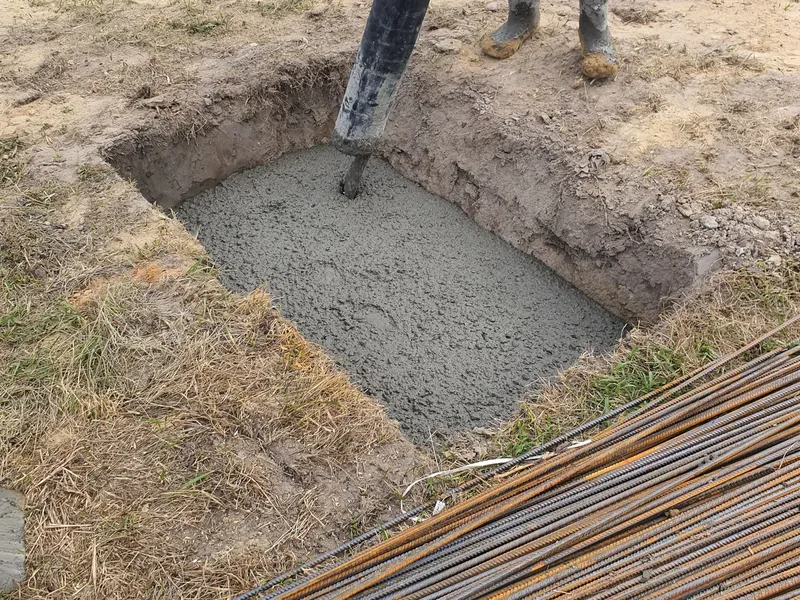
Why three separate ducts beat one shared pipe
Running 230 V mains armoured cable right alongside low-voltage intercom data cable inside one jammed conduit invites audio hum, false photocell triggers and nightmare cable pulls around tight bends. Separating high-voltage and low-voltage runs under the driveway takes twenty extra minutes with an open trench.
1. House to primary pier
- Recommended conduit
- 50 mm red corrugated twin-wall duct
- What travels inside it
- Main 230 V SWA power supply for gate control panel plus dedicated core for pillar lighting.
2. Primary pier to secondary pier
- Recommended conduit
- Two 50 mm ducts across the threshold
- What travels inside it
- Duct A carries 24 V motor & photocell pair wiring; Duct B stays dry for secondary pillar light or safety loop.
3. Pier to intercom column / house
- Recommended conduit
- 50 mm black or green comms duct
- What travels inside it
- Shielded Cat6 or multi-core intercom cable kept separate from 230 V power lines.
Price my entrance
Four quick taps and our Irish price guide shows before we ask for a phone number. One local installer rings you, not five.
A country stone-pier entrance, 2.8 m to 3.4 m with new piers, electric motors and remotes: €5,900 to €12,800, supplied and fitted.
How the entrance guide is calculated
Figures reflect going Irish supply-and-fit rates for residential and site entrance packages. Ready-pier totals include custom gate leaves, heavy hanging ironwork and installation. New-pier and wing-wall options add excavation, reinforced strip footings, solid-cored piers and capping, with stone cladding factored in on stone-pier and wing-wall builds. Electric and full-intercom tiers add motors, IS EN 12453 safety photocells, remotes, intercom column hardware and pillar lighting allowances. Long armoured cable runs and tarmac reinstatement vary by site and are confirmed in writing after a site survey.
Six groundwork habits that save costly rework
- Bury driveway ducts at least 600 mm deep. Cover twin-wall ducts with fine sand blinding and yellow electrical warning tape 200 mm above the pipe before compacting 804 hardcore.
- Use swept long-radius bends, never tight 90° elbows. Stiff SWA armoured cable locks solid inside sharp plumber elbows; sweep ducts gently upward into the pier base.
- Pull a heavy nylon draw rope through every duct. Tie off both ends securely above finished gravel height and tape duct mouths shut against concrete slurry and stones.
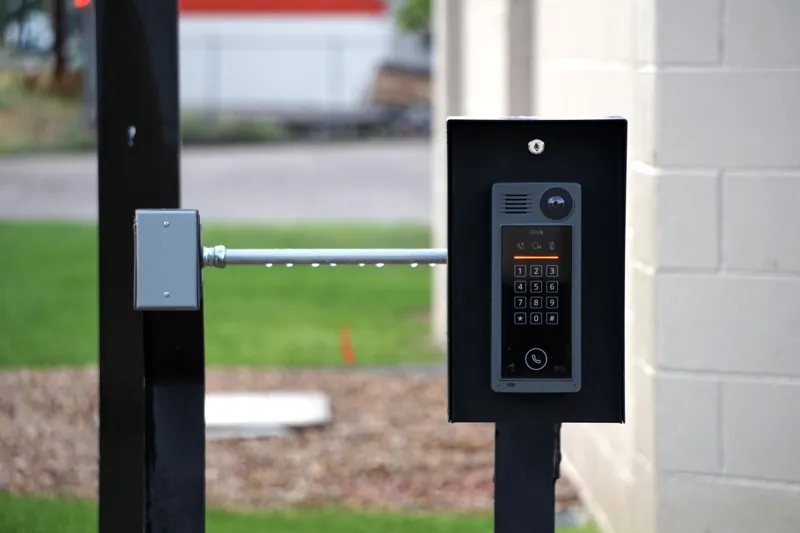
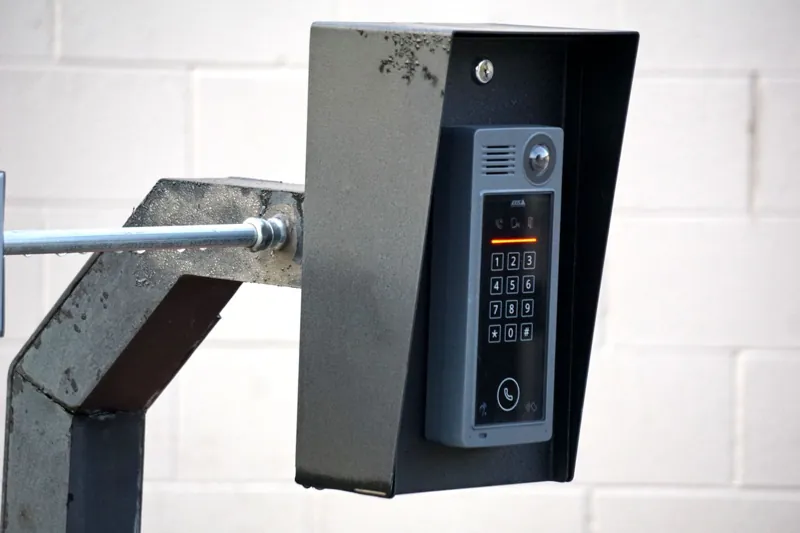
- Run a spur to a future intercom column spot. Leave a capped 50 mm loop 2.0 m in front of the gates on the driver's window side so a gooseneck keypad pedestal drops straight in later.
- Size SWA cable for avenue length. On rural drives over 40 m long, an electrician calculates voltage drop and steps up from 2.5 mm² to 4 mm² or 6 mm² 3-core SWA.
- Photograph open trenches with a tape measure. Two phone photos before backfilling show every future contractor exactly where live ducts cross the apron.
Further entrance reading
Questions on driveway ducting
What size duct should I bury under my driveway for electric gates?
Use 50 mm internal-diameter twin-wall corrugated underground ducting (ESB-grade red for mains power). Narrow 20 mm or 25 mm garden pipe jams when pulling SWA cable.
Can I lay ducts myself and let a Safe Electric contractor wire the cable?
Yes. Homeowners or groundwork contractors routinely dig the 600 mm trench and lay empty 50 mm ducts with draw ropes before surfacing, then a Registered Electrical Contractor inspects, pulls SWA and certifies the live circuit.
How much does it cost to dig up finished tarmac if ducts were forgotten?
Saw-cutting, excavating, ducting and hot-tarmac patching across a 4 m wide entrance frequently adds €800 to €1,800 on top of the electrical bill and leaves a visible repair seam.
Do I need a duct across the gateway for a sliding gate?
Yes. Even though the sliding motor sits on one side, you still need a cross-driveway conduit to wire the receiving safety photocell and active safety edge on the opposite pier.
Every entrance guide on this site
Entrance packages
Civils, specs & rules
Plan ducts, piers and gates in one pass
Outline your entrance project in four steps so one local installer can confirm exact duct entry points before your groundworker backfills.